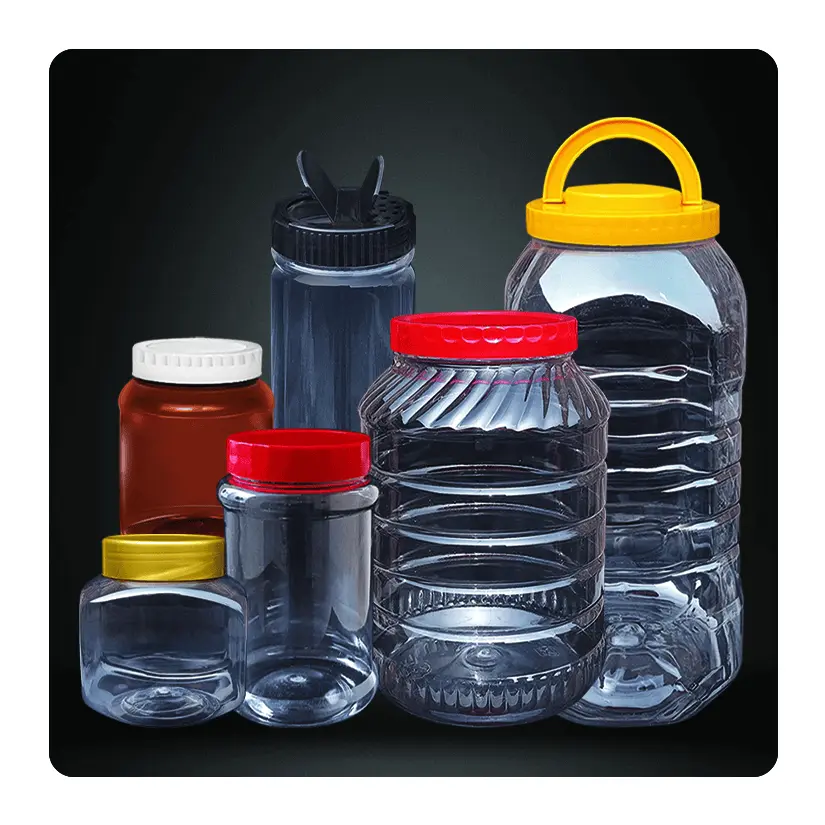
Custom plastic packaging is widely used across industries because it is durable, flexible, and cost-effective. From food and cosmetics to electronics and retail products, plastic packaging helps protect items while also offering strong branding opportunities. Designing it the right way is important to ensure both functionality and visual appeal.
This step-by-step guide explains how to create effective custom plastic packaging for your products.
Step 1: Understand Your Product Requirements
The first step is to clearly define what you are packaging.
Consider:
- Product size and shape
- Weight and fragility
- Storage conditions
- Shipping requirements
Understanding these factors helps you choose the right packaging structure.
Step 2: Choose the Right Type of Plastic Packaging
Different products require different packaging formats.
Common options include:
- Plastic boxes
- Blister packs
- PET containers
- Poly bags and pouches
- Vacuum-sealed packaging
Each type serves a specific purpose.
Step 3: Select Suitable Plastic Material
The material determines durability and safety.
Popular choices include:
- PET (Polyethylene Terephthalate)
- PVC (Polyvinyl Chloride)
- PP (Polypropylene)
- HDPE (High-Density Polyethylene)
Each material offers different levels of strength, flexibility, and transparency.
Step 4: Decide on Packaging Structure and Design
The structure should match product needs and branding goals.
Focus on:
- Shape and dimensions
- Closure type (snap, seal, lid, etc.)
- Transparency or opacity
- Ease of opening and use
A well-designed structure improves user experience.
Step 5: Create Strong Branding Elements
Packaging is a key marketing tool.
Include:
- Logo placement
- Brand colors
- Typography styles
- Product information
Good branding helps customers recognize your product easily.
Step 6: Focus on Visual Design and Layout
The visual appearance influences buying decisions.
Consider:
- Clean and balanced layouts
- High-quality graphics
- Product-focused design
- Minimal clutter for clarity
A strong design improves shelf appeal.
Step 7: Choose Printing and Decoration Methods
Printing techniques enhance packaging quality.
Popular options include:
- Screen printing
- Offset printing
- Label application
- Embossed or textured effects
- Metallic finishes
These add a professional touch.
Step 8: Ensure Safety and Compliance Standards
Plastic packaging must meet industry standards.
Important factors include:
- Food-grade safety (for consumables)
- Chemical resistance
- Regulatory labeling requirements
- Environmental guidelines
Compliance builds customer trust.
Step 9: Consider Eco-Friendly Alternatives
Sustainability is becoming more important.
Eco-friendly options include:
- Recyclable plastics
- Biodegradable materials
- Reduced plastic thickness designs
- Reusable packaging solutions
Sustainable choices improve brand reputation.
Step 10: Test Before Mass Production
Testing helps avoid costly mistakes.
Check for:
- Product fit and protection
- Seal strength and durability
- Print quality and accuracy
- Customer usability
Testing ensures a reliable final product.
Final Thoughts
Designing custom plastic packaging requires careful planning, from selecting materials and structure to branding and safety compliance. When done correctly, it not only protects products but also strengthens brand identity and improves customer experience.
For businesses across industries, well-designed plastic packaging is a practical and powerful tool for success.
