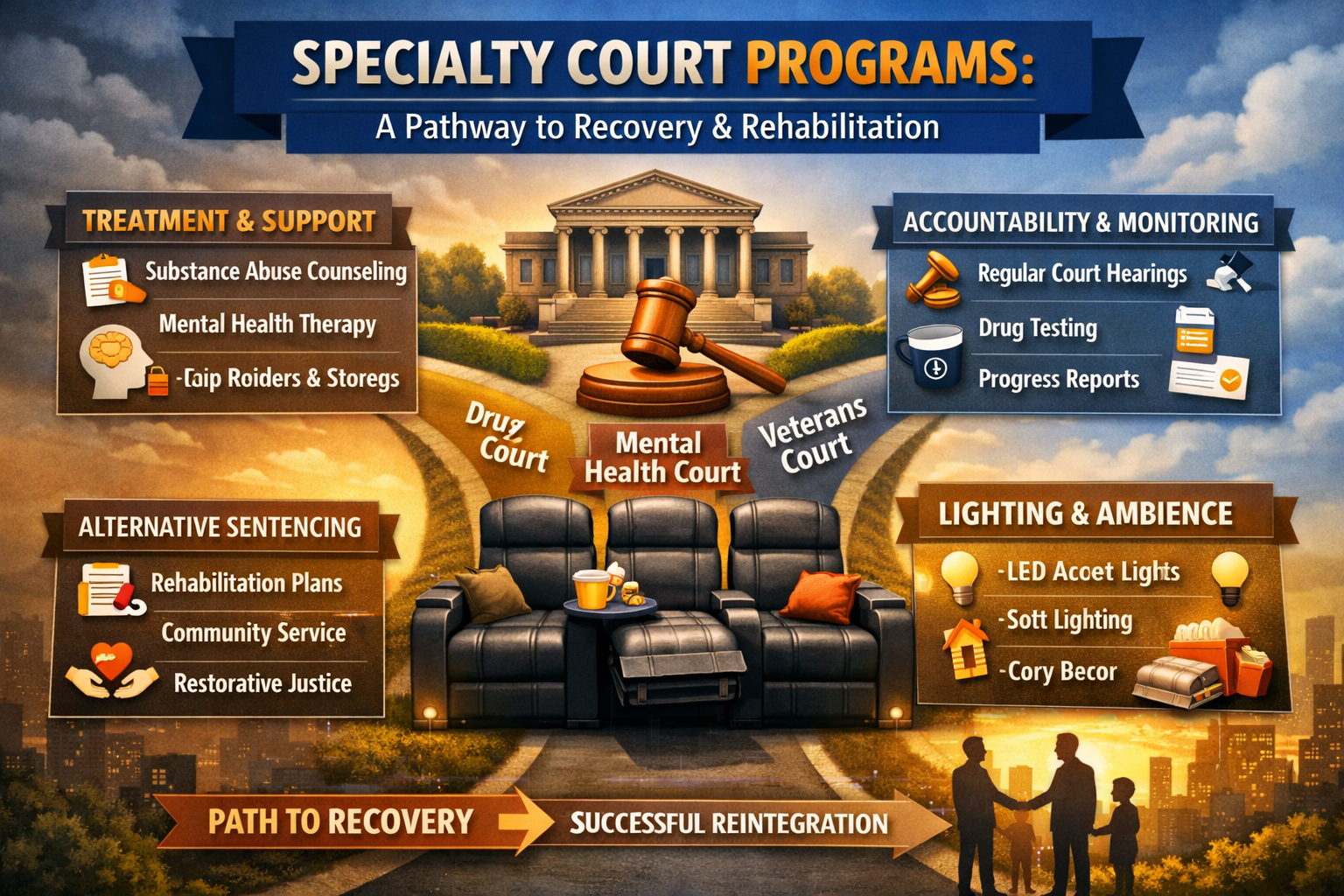
Specialty court programs are transforming how justice systems respond to individuals whose legal issues are closely tied to substance use disorders, mental health conditions, or other underlying challenges. Instead of relying solely on traditional sentencing, these courts focus on rehabilitation, accountability, and long-term recovery. In regions like Ashtabula County, Ohio, many individuals searching for a specialty court program near Ashtabula Ohio are often looking for structured support systems that connect legal oversight with treatment-based solutions.
The traditional court system is not always designed to address the root causes of repeated offenses. Many cases involve addiction, trauma, or mental illness that contribute to cycles of arrest and relapse. Specialty courts aim to break that cycle by combining judicial supervision with treatment services, counseling, and community support. This approach has proven effective in reducing recidivism and helping individuals rebuild stable lives.
For families, communities, and individuals involved in the justice system, understanding how these programs work can make a significant difference. They are not just legal alternatives; they are structured recovery pathways that prioritize long-term outcomes over short-term punishment.
Core Topic Explanation: What Specialty Court Programs Really Are
Specialty court programs are problem-solving court systems designed to address the underlying causes of criminal behavior. Rather than focusing only on punishment, they integrate judicial authority with treatment and supervision. These courts are commonly used in cases involving substance use disorders, mental health conditions, domestic violence, and veterans’ issues.
The most well-known type is the drug court, which targets individuals charged with non-violent drug-related offenses. Participants are required to follow a structured treatment plan that includes counseling, drug testing, regular court appearances, and recovery support. Mental health courts focus on individuals with diagnosed psychiatric conditions, ensuring they receive appropriate care rather than incarceration.
Veterans courts are another important category, offering tailored support for military personnel struggling with PTSD, substance use, or reintegration challenges. DUI courts focus on repeat impaired driving offenders, combining strict monitoring with rehabilitation services.
What makes these programs unique is the collaboration between judges, probation officers, treatment providers, and community organizations. Instead of working in isolation, these professionals form a unified support system that holds participants accountable while guiding them toward recovery.
Step-by-Step Guide: How Specialty Court Programs Work in Practice
Understanding how someone enters and progresses through a specialty court program helps clarify its structure and expectations. While each jurisdiction may have slight variations, the general process follows a similar path.
1. Referral and Screening
Cases typically begin when a defendant is identified as potentially eligible for a specialty court program. This can happen at arrest, during arraignment, or through attorney referral. Screening evaluates whether the underlying issue—such as substance use or mental health—fits program criteria.
2. Eligibility Assessment
If initial screening is successful, a deeper assessment is conducted. This may include clinical evaluations, criminal history review, and interviews. Non-violent offenses are usually prioritized, although some programs may accept higher-risk cases depending on the circumstances.
3. Court Admission and Agreement
Once accepted, participants enter the program by agreeing to its conditions. This includes frequent court appearances, compliance with treatment plans, and adherence to behavioral expectations. The judge plays an active role in monitoring progress.
4. Treatment and Supervision Phase
Participants begin structured treatment, which may include inpatient rehab, outpatient counseling, group therapy, or medication-assisted treatment. Regular drug testing and check-ins ensure accountability. Progress is closely monitored by the court team.
5. Incentives and Sanctions
Specialty courts use a system of rewards and consequences. Positive behavior, such as maintaining sobriety, may result in reduced supervision or praise in court. Violations may lead to increased monitoring or short-term sanctions, rather than immediate incarceration.
6. Graduation and Aftercare
Successful completion leads to graduation from the program. Participants often receive reduced sentencing, dismissed charges, or other legal benefits. Aftercare services may continue to support long-term recovery.
Supporting Subtopics
Eligibility Criteria
Eligibility often depends on offense type, criminal history, and clinical diagnosis. Non-violent offenders with clear treatment needs are the primary candidates. However, each jurisdiction may set specific rules.
Role of the Court Team
A multidisciplinary team typically includes a judge, prosecutor, defense attorney, probation officer, and treatment providers. This team collaborates to ensure both accountability and support.
Importance of Treatment Providers
Licensed counselors and recovery specialists design individualized care plans. These professionals play a critical role in addressing addiction or mental health challenges effectively.
Common Mistakes or Challenges in Specialty Court Programs
While specialty courts are highly effective, participants often face challenges that can affect their success. One common issue is misunderstanding program expectations. Some individuals assume the process is lenient, but it actually requires strict compliance and discipline.
Another challenge is relapse. Recovery from substance use disorders is rarely linear, and setbacks can occur. However, specialty courts are designed to respond with treatment adjustments rather than immediate punishment, though repeated violations can still result in termination from the program.
Stigma is another barrier. Some participants feel embarrassed about attending court regularly or participating in treatment programs. This can impact motivation and engagement if not addressed early.
Administrative requirements can also be overwhelming. Missing appointments, failing to submit documentation, or misunderstanding court instructions can create unnecessary setbacks. Consistency and communication are essential.
Practical Tips and Expert Recommendations for Success
Success in a specialty court program requires commitment, structure, and support. One of the most important strategies is maintaining honest communication with the court team. Being transparent about struggles, including relapse risks, helps providers adjust treatment effectively.
Building a strong support system is also crucial. Family involvement, peer support groups, and recovery mentors can significantly improve outcomes. Individuals who stay connected to supportive networks are more likely to complete the program successfully.
Consistency in attendance and compliance cannot be overstated. Missing court dates or treatment sessions can quickly derail progress. Setting reminders and maintaining a structured routine can help reduce missed obligations.
Engaging fully in treatment is another key factor. This includes attending therapy sessions, participating in group discussions, and following medical recommendations. Recovery is most effective when individuals actively participate rather than passively attend.
Finally, focusing on long-term goals helps maintain motivation. Specialty courts are not just about avoiding jail time; they are about rebuilding stability, relationships, and personal well-being.
Conclusion
Specialty court programs represent a meaningful shift in how the justice system addresses complex behavioral and health-related issues. By combining accountability with structured treatment, they offer individuals a realistic path toward recovery and reintegration into society. These programs require effort and discipline, but they also provide opportunities that traditional sentencing often cannot.
For individuals and families navigating the justice system, understanding how these courts function can make a significant difference in outcomes. With the right support, commitment, and treatment, participants can move beyond cycles of relapse and legal involvement toward long-term stability and recovery.
