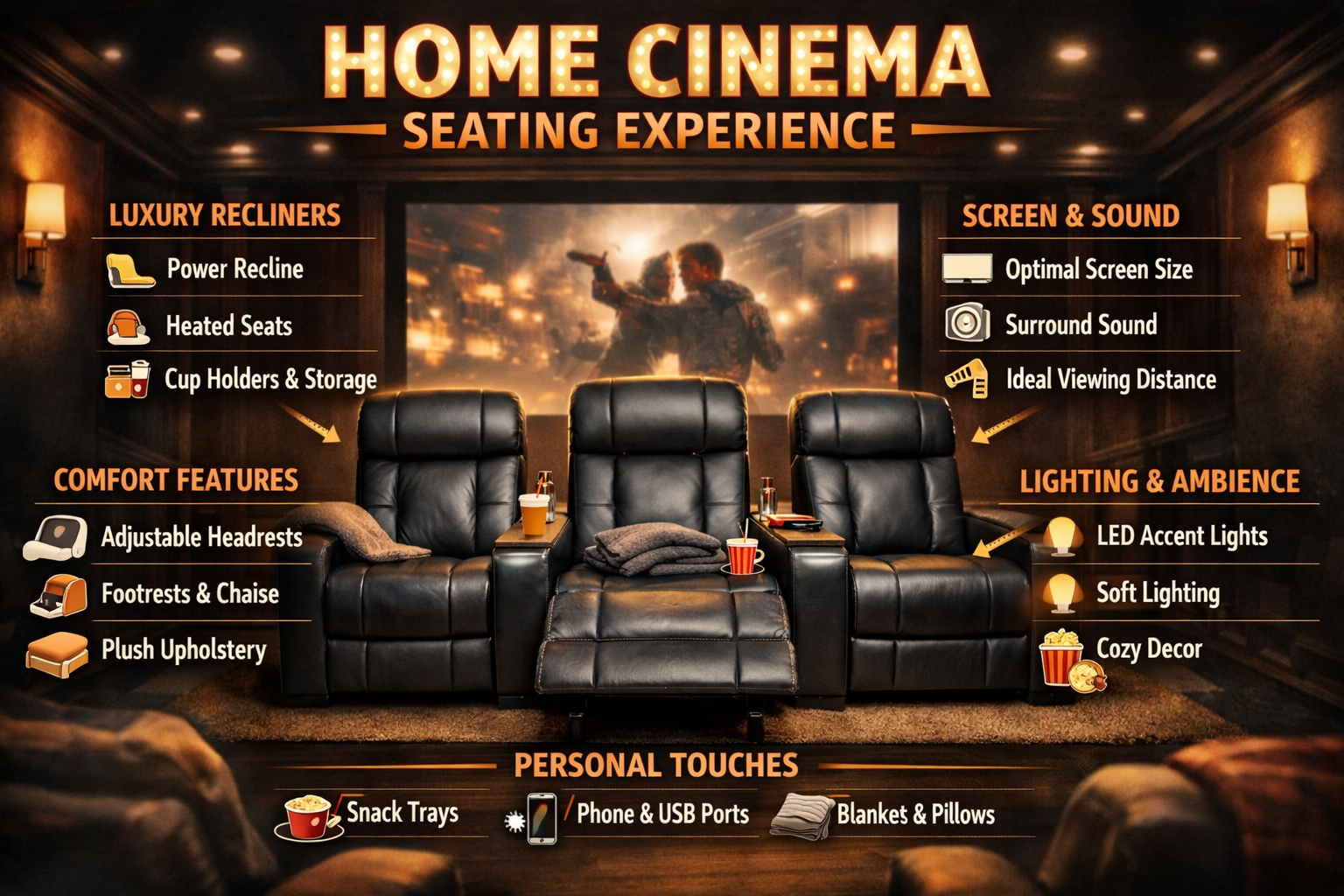
A well-designed home theater is no longer just about a big screen or surround sound. The real comfort—and what truly defines the experience—is the seating. Choosing the right theater recliners can completely change how you enjoy movies, sports, or gaming at home. From lumbar support to material quality, every detail matters when building a space that feels like a private cinema.
For homeowners exploring premium seating options, especially those comparing styles and layouts, resources like theater recliners near cleveland ohio can help provide inspiration on materials, configurations, and design approaches that fit both modern and traditional home theater spaces. While location-specific showrooms offer insight, understanding the fundamentals of recliner selection is what ensures a long-term investment that truly pays off.
Today’s theater recliners are not just chairs—they are engineered comfort systems designed for long viewing sessions. Whether you are upgrading a basement media room or building a dedicated cinema space, the right choices can prevent discomfort, improve posture, and elevate the entire viewing experience.
Core Elements of Theater Recliners and Why They Matter
Theater recliners are built differently from standard living room seating. They combine ergonomic engineering with luxury design to support extended sitting without strain. One of the most important aspects is body alignment. A good recliner supports the neck, lower back, and legs simultaneously, distributing weight evenly.
Material selection also plays a critical role. Leather recliners are popular for their durability and easy maintenance, while high-performance fabrics offer breathability and softness. In home theater environments, darker tones are often preferred because they reduce screen glare and create a more immersive atmosphere.
Another essential feature is adjustability. Modern recliners often include power reclining mechanisms, adjustable headrests, and even lumbar support controls. These allow users to fine-tune their seating position based on the type of content they are watching. For example, a slightly upright position works best for gaming, while a fully reclined position enhances movie viewing.
Spacing and layout are equally important. Unlike traditional sofas, theater recliners are typically arranged in rows, with careful attention to legroom and viewing angles. Cup holders, armrest storage, and even built-in USB charging ports have become standard in many premium models, making them highly functional for extended use.
Step-by-Step Guide to Choosing the Right Theater Recliners
Selecting the right recliners for a home theater requires more than picking a comfortable chair. It involves planning the space, understanding usage habits, and balancing aesthetics with functionality.
Step 1: Measure Your Space Accurately
Before anything else, measure the room dimensions. Consider both width and depth, especially when recliners are fully extended. Many people underestimate how much space a recliner needs when fully reclined, which can lead to cramped layouts.
Step 2: Define Seating Capacity
Decide how many seats you actually need. A couple building a personal media room may only need two recliners, while families or entertainment-focused homes may require multiple rows. Leave enough space between seats for movement and comfort.
Step 3: Choose the Right Reclining Mechanism
There are generally two types: manual and power recliners. Manual options are more budget-friendly and reliable, while power recliners offer smoother transitions and advanced positioning control. For frequent use, power models are often worth the investment.
Step 4: Prioritize Viewing Angles
The angle of recline should align with your screen height. Ideally, your eye level should remain centered on the screen even when slightly reclined. This reduces neck strain and improves long-term comfort.
Step 5: Select Materials Based on Usage
If the theater room is used daily, opt for stain-resistant and durable materials. If it is a dedicated cinema room with limited use, luxury fabrics or premium leather can enhance the visual appeal without worrying too much about wear and tear.
Step 6: Plan Accessories and Features
Modern recliners often include extras such as LED lighting, tray tables, and hidden storage compartments. While not essential, these features significantly enhance usability and convenience in a home theater environment.
Common Mistakes When Choosing Theater Recliners
One of the most frequent mistakes is focusing only on appearance. While style matters, comfort and ergonomics should always come first. A visually appealing recliner that lacks proper support can quickly become uncomfortable during long viewing sessions.
Another common issue is ignoring space limitations. Many homeowners choose oversized recliners that look great in showrooms but overwhelm smaller rooms. This results in restricted movement and poor seating arrangements.
Improper alignment with screen height is also a major oversight. If recliners are positioned too high or too low relative to the screen, viewers may experience neck strain or visual discomfort. This reduces the immersive experience that a home theater is meant to provide.
Lastly, many buyers underestimate maintenance requirements. Light-colored fabrics may look elegant but can be difficult to maintain in high-traffic entertainment spaces. Choosing the wrong material can lead to faster wear and reduced longevity.
Practical Tips for a Better Home Theater Seating Experience
To create a truly immersive theater environment, small design decisions make a big difference. One effective approach is tiered seating, especially in larger rooms. This ensures that every viewer has a clear, unobstructed view of the screen.
Lighting also plays a key role. Soft, ambient lighting integrated into recliners or placed along the floor helps maintain visibility without distracting from the screen. Avoid bright overhead lights that can reduce contrast and immersion.
Sound considerations should not be ignored. Recliner placement can influence acoustics, so avoid blocking speakers with high-backed chairs. A well-planned layout ensures balanced sound distribution across the room.
Another useful tip is to test recline depth before final installation. Some recliners require significant rear clearance, and testing ensures they fit comfortably within the space without hitting walls or obstacles.
Finally, think long-term. A good theater recliner is an investment that should last years. Choosing models with replaceable parts or warranty support can help maintain comfort and performance over time.
Conclusion
Theater recliners are more than just seating—they are the foundation of a comfortable and immersive home cinema experience. From ergonomic support to material selection and room layout, every decision impacts how enjoyable your space becomes. By planning carefully, avoiding common mistakes, and focusing on both comfort and practicality, you can build a setup that delivers long-term value and satisfaction.
Whether designing a new entertainment room or upgrading an existing one, the right recliners transform ordinary viewing into a true cinematic experience that feels personal, relaxed, and fully engaging.
