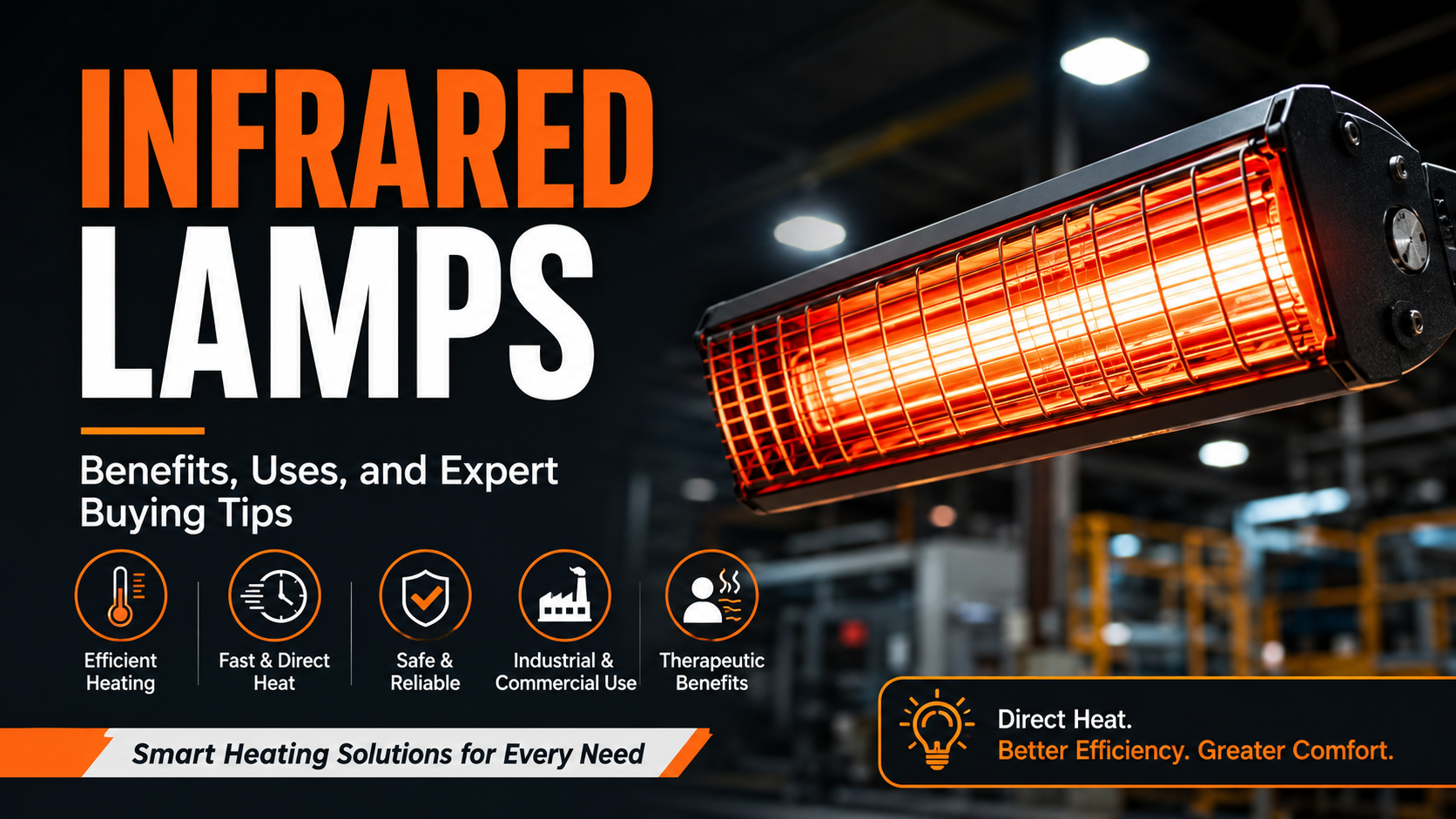
Infrared lamps have become an important tool in homes, healthcare settings, workshops, and industrial facilities. Unlike traditional heating methods that warm the surrounding air, infrared technology transfers heat directly to objects and surfaces. This approach improves efficiency, reduces heat loss, and delivers targeted warmth where it is needed most.
Many homeowners and professionals now rely on infrared heating for comfort, drying applications, therapeutic recovery, and manufacturing processes. Whether someone is looking for reliable heat therapy equipment or industrial-grade heating systems, understanding how infrared lamps work can help them choose the right solution for their needs. For example, businesses researching infrared lamps near algonac michigan often look for dependable heating systems that support commercial and industrial operations without wasting energy.
The growing popularity of infrared technology is also linked to rising energy costs. Traditional heaters often require more power to heat large areas, while infrared lamps focus energy directly on the target. As a result, they are commonly used in factories, restaurants, wellness clinics, greenhouses, and garages where controlled heat matters.
Understanding How Infrared Lamps Work
Infrared lamps emit electromagnetic radiation in the infrared spectrum. This radiation produces heat when absorbed by surfaces, materials, or the human body. Instead of circulating hot air, the lamp transfers warmth directly to nearby objects.
Infrared lamps generally fall into three categories:
- Near infrared
- Medium infrared
- Far infrared
Each type serves a different purpose. Near infrared lamps are often used for therapeutic applications and rapid heating. Medium infrared lamps work well in industrial drying systems. Far infrared options are commonly used in saunas and room heating systems.
One major advantage of infrared heat is speed. Traditional heating systems may take time to warm an entire room. Infrared lamps begin delivering warmth almost immediately after activation. This quick response helps reduce energy consumption in both residential and industrial environments.
Industries also use infrared systems for specialized processes such as paint curing, plastic forming, food warming, and moisture removal. The consistent heat output improves production quality while lowering operational downtime.
Benefits of Infrared Lamps in Everyday and Industrial Use
Infrared lamps provide several practical advantages across multiple applications.
Energy Efficiency
Because infrared heat directly targets surfaces and people, less energy is wasted heating unused air. This focused heating system can lower electricity consumption in certain settings.
Comfortable Heat Distribution
Traditional heaters may create uneven warmth or dry indoor air. Infrared lamps generate a more natural heating experience similar to warmth from sunlight. Many users find the heat more comfortable and consistent.
Faster Heating Performance
Infrared lamps activate quickly and produce immediate heat. This feature is useful in garages, warehouses, patios, and manufacturing facilities where instant warmth improves productivity.
Industrial Reliability
Factories often use infrared systems for production efficiency. Infrared heat can dry coatings, cure adhesives, and heat materials evenly without physical contact.
Therapeutic Applications
Healthcare providers and wellness professionals sometimes use infrared lamps to support muscle relaxation and circulation improvement. Athletes may also use them during recovery routines after workouts or injuries.
Step-by-Step Guide to Choosing the Right Infrared Lamp
Selecting the correct infrared lamp depends on the intended application. A residential heating solution differs greatly from an industrial curing system.
Step 1: Identify the Primary Purpose
Determine whether the lamp will be used for:
- Personal therapy
- Indoor heating
- Outdoor heating
- Industrial processing
- Moisture drying
- Food warming
The intended use influences wattage, size, and infrared wavelength selection.
Step 2: Consider Heating Coverage
Small infrared lamps may work well for targeted therapy, while large commercial systems are better suited for warehouses or production lines. Measuring the required heating area helps avoid underpowered equipment.
Step 3: Evaluate Power Requirements
Industrial facilities often require higher wattage systems for continuous operation. Residential users may prefer lower-energy models for occasional use.
Always verify compatibility with the building’s electrical system before installation.
Step 4: Check Material Durability
Industrial environments expose equipment to dust, vibration, moisture, and temperature fluctuations. Durable quartz or ceramic infrared lamps usually perform better in demanding conditions.
Step 5: Review Safety Features
Reliable infrared lamps should include safety protections such as:
- Overheat protection
- Protective guards
- Stable mounting systems
- Automatic shutoff controls
These features improve operational safety and reduce accident risks.
Common Applications of Infrared Lamps
Infrared technology supports a wide range of industries and practical uses.
Manufacturing and Production
Factories frequently use infrared lamps for:
- Paint drying
- Powder coating
- Adhesive curing
- Plastic shaping
- Textile processing
The direct heating method speeds up production while maintaining consistent quality.
Food Service Operations
Restaurants and catering businesses use infrared warming lamps to maintain food temperature without drying meals excessively. This helps preserve texture and presentation quality.
Agricultural Environments
Farmers and greenhouse operators use infrared systems to support plant growth and maintain stable temperatures during colder seasons.
Healthcare and Wellness
Therapeutic infrared lamps are commonly found in rehabilitation clinics, spas, and sports recovery centers. Controlled heat may help improve comfort and relaxation after physical activity.
Residential Heating
Many homeowners install infrared patio heaters or garage heating systems for efficient spot heating during colder months.
Common Mistakes When Using Infrared Lamps
Although infrared systems are efficient, several mistakes can reduce their effectiveness or create safety concerns.
Choosing the Wrong Wattage
Some users purchase lamps without considering room size or heating requirements. An undersized unit may fail to provide adequate warmth, while an oversized unit can waste energy.
Improper Placement
Infrared heat works best with direct exposure. Placing lamps behind barriers or too far from the target reduces heating performance.
Ignoring Ventilation Needs
Industrial systems may generate concentrated heat. Poor ventilation can create uncomfortable working conditions or damage nearby materials.
Overlooking Maintenance
Dust accumulation and damaged reflectors can reduce heating efficiency. Regular inspection helps maintain consistent performance and extends equipment lifespan.
Using Indoor Lamps Outdoors
Not all infrared lamps are designed for outdoor environments. Exposure to rain or moisture can damage unsuitable units and create electrical hazards.
Expert Recommendations for Better Performance
Professionals who regularly work with infrared heating systems often follow several best practices to maximize efficiency and durability.
First, use reflective surfaces when possible. Proper reflectors help direct heat toward the target area instead of allowing energy to disperse unnecessarily.
Second, maintain proper installation height. Industrial facilities carefully position infrared lamps to achieve even heat distribution across production lines or workspaces.
Third, clean lamps regularly. Dust and residue reduce radiant efficiency over time. Scheduled cleaning improves performance consistency.
Fourth, match the lamp type to the application. Quartz infrared lamps are ideal for rapid heating, while ceramic models often perform better in long-duration applications.
Finally, monitor operating cycles. Continuous industrial use may require scheduled maintenance intervals to prevent premature component wear.
Businesses should also work with experienced suppliers who understand industrial heating requirements. Proper system selection can significantly improve energy efficiency and operational reliability.
Conclusion
Infrared lamps offer a practical and efficient heating solution for residential, commercial, healthcare, and industrial environments. Their ability to provide direct heat, fast response times, and targeted energy use makes them valuable across many applications.
From therapeutic recovery and greenhouse heating to manufacturing and food service operations, infrared technology continues to expand because of its reliability and efficiency. However, selecting the right lamp, installing it correctly, and maintaining it properly are essential for long-term performance.
As energy efficiency and operational precision become more important, infrared lamps will likely remain a preferred heating solution for businesses and homeowners seeking dependable and cost-effective results.
