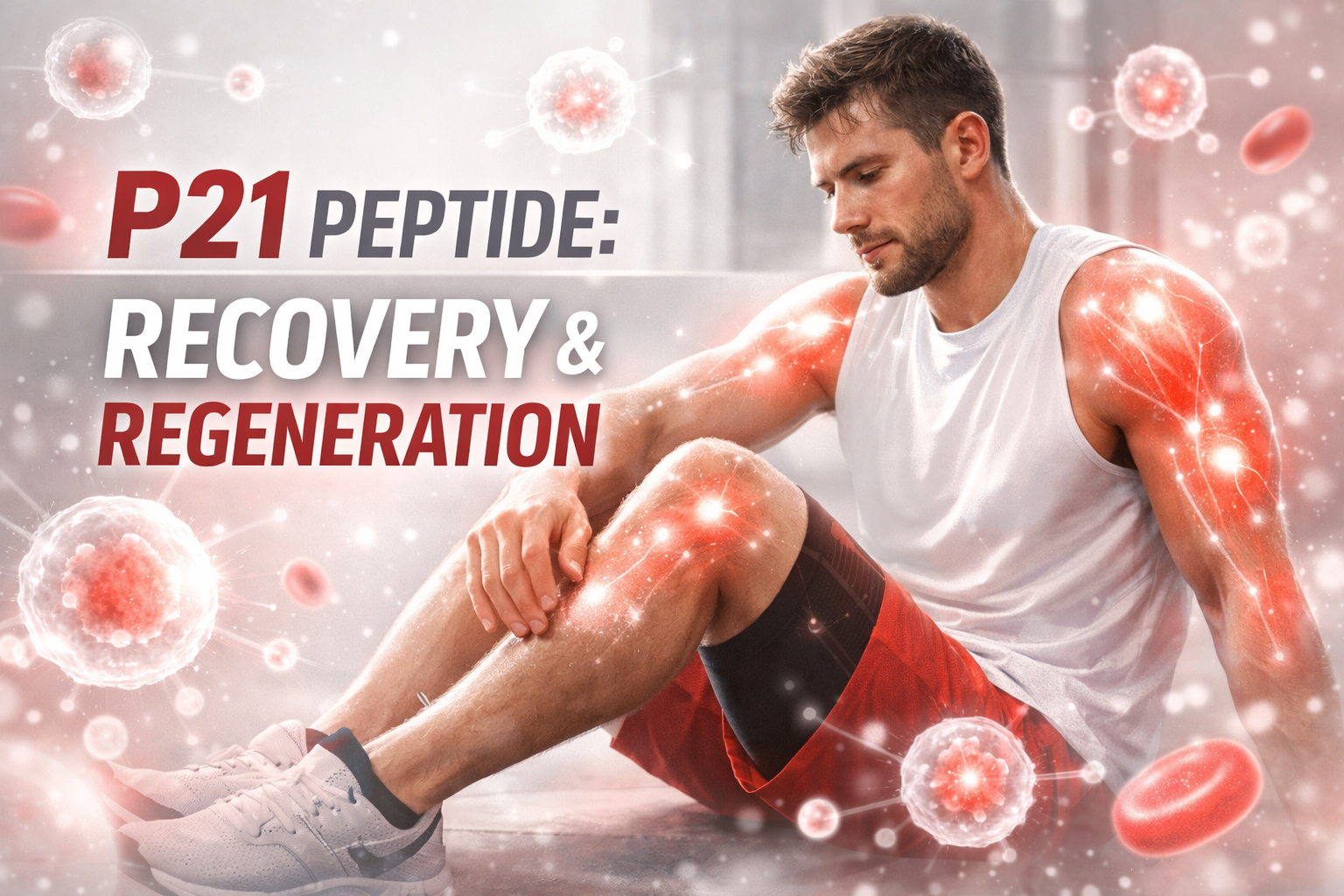
Muscle recovery is no longer just about rest days and protein shakes it’s evolving fast, and p21 peptide is stepping into the spotlight as a powerful contender. If you’re pushing your body hard in the gym, chasing peak performance, or simply looking to accelerate healing at a cellular level, this compound is gaining serious attention for a reason. It’s not hype, it’s science-backed potential that’s turning heads in fitness and research circles alike.
What Is P21 Peptide?
P21 peptide is a synthetic compound derived from a naturally occurring protein involved in cellular growth and repair. Its core function revolves around influencing cell cycle regulation, meaning it plays a direct role in how cells grow, divide, and recover after damage.
What makes it stand out is its ability to mimic certain biological processes that are critical for tissue repair and regeneration. Unlike traditional supplements that merely support recovery indirectly, P21 works closer to the source right at the cellular level.
This isn’t just another “muscle booster.” It’s part of a new wave of peptides designed to optimize how your body rebuilds itself after stress, injury, or intense physical exertion.
How P21 Peptide Enhances Muscle Recovery
When you train hard, you’re essentially breaking your muscles down. Recovery is where the real growth happens. P21 peptide accelerates this process by targeting the mechanisms responsible for cellular repair.
Here’s how it works:
1. Promotes Cellular Repair
P21 helps regulate damaged cells, ensuring that repair processes are activated efficiently. This means faster healing of microtears caused by resistance training.
2. Reduces Inflammation
Post-workout inflammation can slow you down. P21 has been associated with modulating inflammatory responses, potentially reducing soreness and downtime.
3. Supports Tissue Regeneration
Beyond muscles, P21 may aid in the recovery of connective tissues, which are often overlooked but crucial for long-term performance and injury prevention.
The result? Shorter recovery windows, less fatigue, and the ability to train harder, more consistently.
Cellular Regeneration: The Real Game-Changer
Most recovery supplements focus on symptoms of soreness, fatigue, energy levels. P21 peptide goes deeper by targeting cellular regeneration itself.
This means:
- Encouraging the growth of new, healthy cells
- Removing or repairing damaged cellular structures
- Supporting overall tissue integrity
In simple terms, it doesn’t just help you recover, it helps you rebuild better.
This is especially important for athletes or individuals dealing with repetitive strain, aging-related muscle loss, or slow healing injuries. Cellular regeneration is the foundation of long-term physical resilience, and P21 taps directly into that system.
Potential Benefits of P21 Peptide
Let’s cut straight to what matters the real-world impact.
Faster Muscle Recovery
Less downtime between workouts means more opportunities to improve performance.
Enhanced Strength Gains
Better recovery leads to more consistent training, which directly contributes to strength progression.
Injury Support
By promoting tissue repair, P21 may assist in recovering from minor injuries or overuse issues.
Anti-Aging Potential
Cellular regeneration isn’t just for athletes. It’s a key factor in slowing down physical aging and maintaining vitality.
Improved Physical Endurance
With reduced fatigue and quicker recovery, endurance levels can see noticeable improvement over time.
Is P21 Peptide Backed by Science?
P21 peptide is still emerging in the mainstream, but its foundation lies in well-established biological pathways. The protein it’s derived from plays a known role in regulating the cell cycle and preventing uncontrolled cell growth.
Researchers have been studying these mechanisms for years, particularly in areas like cancer biology and regenerative medicine. The peptide version is designed to harness these properties in a controlled and targeted way.
While large-scale human trials are still limited, early research and anecdotal evidence suggest promising outcomes especially in recovery and cellular health.
Who Should Consider P21 Peptide?
This isn’t a one-size-fits-all solution. It’s best suited for individuals who demand more from their bodies and are willing to explore advanced recovery strategies.
Ideal Users Include:
- Athletes and bodybuilders pushing high-intensity training
- Individuals recovering from injuries
- Fitness enthusiasts looking to optimize recovery
- Older adults aiming to maintain muscle mass and vitality
If your goal is to maximize performance while minimizing recovery time, P21 becomes a compelling option.
How P21 Peptide Is Typically Used
P21 peptide is generally administered through injection, as this method ensures optimal absorption and effectiveness. Dosage and protocols can vary depending on the intended use whether it’s recovery, regeneration, or overall performance enhancement.
Because of its potency, it’s not something to approach casually. Proper guidance, research, and understanding of peptide use are essential before incorporating it into any regimen.
Safety and Considerations
Let’s be clear just because something is powerful doesn’t mean it’s risk-free.
Key Points to Keep in Mind:
- Limited long-term human studies
- Quality and sourcing can vary significantly
- Should not be used without proper knowledge or supervision
This is not a beginner supplement. It sits firmly in the advanced category, and that demands responsibility.
The Future of Recovery Starts Here
The fitness world is shifting. Recovery is no longer an afterthought, it’s a strategic advantage. And P21 peptide represents a bold step in that direction.
Instead of waiting days to bounce back, imagine recovering faster, training harder, and seeing results that actually reflect your effort. That’s the promise driving interest in this peptide.
It’s not magic. It’s biology optimized.
Final Thoughts
P21 peptide is carving out a space at the intersection of science and performance. Its ability to influence cellular repair and regeneration makes it one of the most intriguing developments in modern recovery strategies.
If you’re serious about pushing limits and unlocking faster recovery at a deeper level, this is something worth paying attention to. The edge you’re looking for might not come from doing more but from recovering smarter.
The question is simple: are you ready to evolve how your body rebuilds itself?
