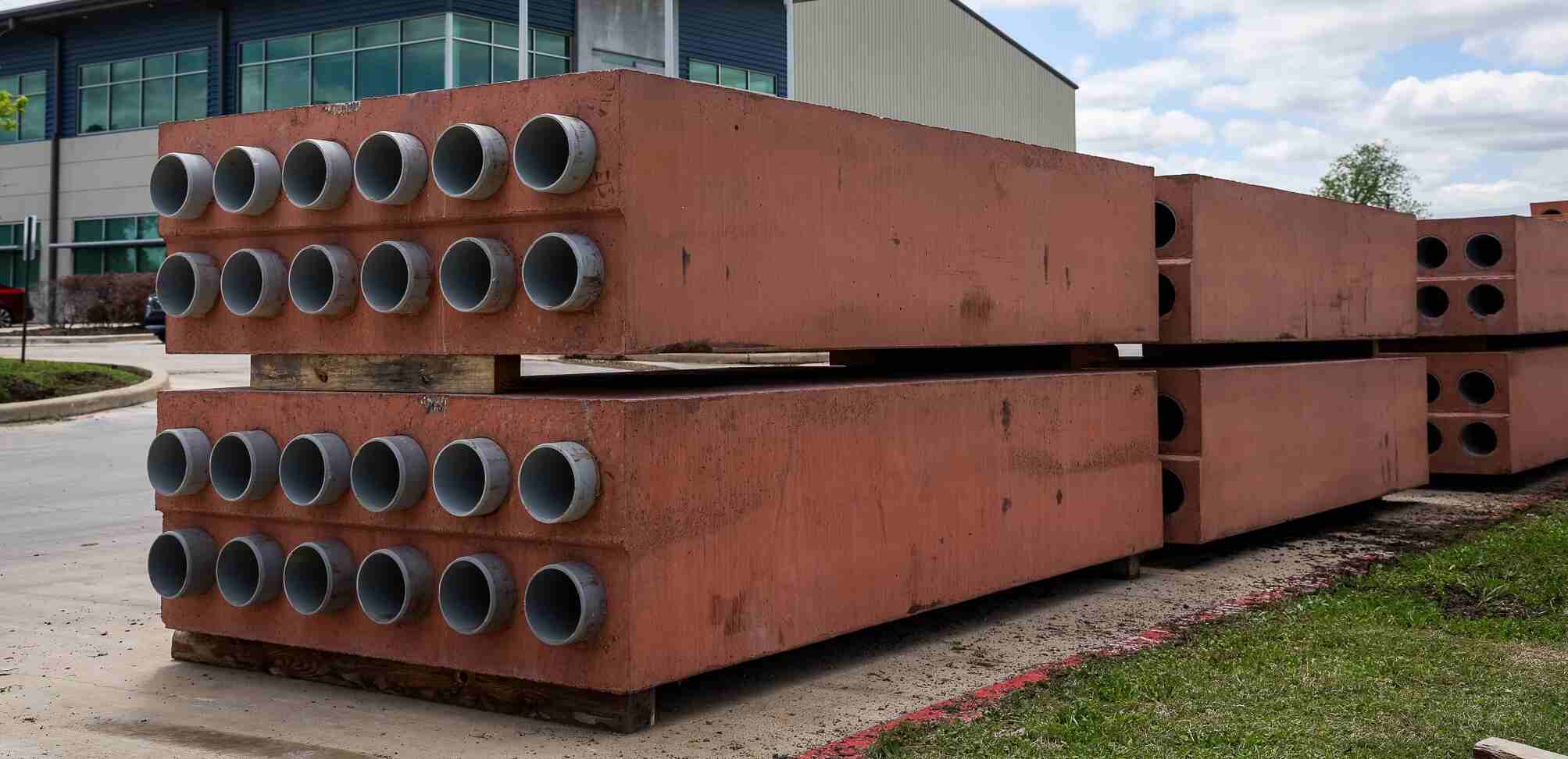
Electricity is the backbone of modern life. We use it every second in homes, offices, hospitals, factories, transportation systems, and communication networks. To deliver electricity safely and efficiently, engineers build strong underground systems. One of the most important parts of these systems is the duct bank system.
A duct bank system may not be visible on the surface, but it plays a very important role in protecting and managing underground electrical cables. It ensures that power moves safely from one place to another without interruption.
In this blog, we will explain the purpose of duct bank systems in electrical infrastructure in simple and easy language. You will also learn how they work, why they are used, and where they are applied.
What Is a Duct Bank System?
A duct bank system is a group of pipes or conduits placed underground to carry electrical cables safely. These pipes are arranged in a structured way and often surrounded by concrete for extra protection.
Inside these ducts, electrical cables travel from one location to another. These cables may carry power for homes, industries, traffic systems, or communication networks.
You can think of a duct bank as an underground protective tunnel system for electrical wires.
Why Electrical Infrastructure Needs Duct Bank Systems
Electrical cables are very important but also very sensitive. If they get damaged, it can cause power failures, safety hazards, and costly repairs.
Underground cables face many risks such as:
- Soil pressure
- Water and moisture
- Road construction work
- Accidental digging
- Temperature changes
Duct bank systems protect cables from all these risks. They keep electrical networks safe, organized, and long-lasting.
Without duct banks, underground electrical systems would be difficult to manage and maintain.
Main Purpose of Duct Bank Systems
Now let’s understand the main purposes of duct bank systems in electrical infrastructure.
1. Protecting Electrical Cables
The most important purpose of a duct bank system is to protect electrical cables.
Underground cables face constant pressure from soil and heavy loads above the ground. They can also get damaged by water, chemicals, or construction activities.
Duct bank systems protect cables by:
- Placing them inside strong pipes
- Surrounding them with concrete
- Keeping them away from direct soil contact
This protection helps cables last longer and reduces the chances of failure.
2. Organizing Electrical Networks
Modern electrical systems include many cables running in different directions. Without proper organization, these cables can become confusing and difficult to manage.
Duct bank systems solve this problem by keeping cables:
- In separate conduits
- In a fixed and planned layout
- Properly spaced and aligned
This organized structure helps engineers understand and manage the system easily. It also reduces mistakes during installation and maintenance.
3. Supporting Safe Cable Installation
Installing underground cables is not simple. Workers often need to pull cables over long distances.
Duct bank systems make installation easier by providing smooth pathways inside conduits. Workers can pull cables through these pipes without exposing them to damage.
This helps:
- Reduce cable stress during installation
- Prevent cable bending or breaking
- Speed up installation work
Because of duct banks, engineers can install complex cable systems safely and efficiently.
4. Making Maintenance Easier
One of the biggest advantages of duct bank systems is easy maintenance.
If a cable stops working, workers do not need to dig the entire ground. Instead, they use access points like manholes or pull boxes connected to the duct bank.
This allows workers to:
- Inspect cables quickly
- Repair damaged sections
- Replace faulty cables
- Test electrical systems
This saves a lot of time, money, and effort.
5. Allowing Future Expansion
Electricity demand increases over time. Cities grow, new buildings are built, and industries expand. Because of this, electrical systems must support future upgrades.
Duct bank systems are designed with future expansion in mind. Engineers often install extra empty ducts so that new cables can be added later.
This helps:
- Avoid new excavation work
- Reduce construction costs
- Expand systems easily
This makes duct banks a smart long-term investment.
6. Improving System Safety
Safety is very important in electrical infrastructure. Exposed or damaged cables can cause serious accidents, including electrical shocks and fires.
Duct bank systems improve safety by:
- Keeping cables underground and protected
- Reducing exposure to people and vehicles
- Preventing accidental damage
Because cables stay sealed inside ducts and concrete, the risk of accidents becomes very low.
7. Protecting Against Environmental Damage
Underground cables face many environmental challenges such as rain, flooding, soil movement, and temperature changes.
Duct bank systems protect cables from these conditions by creating a strong barrier around them.
They help prevent:
- Water leakage into cables
- Soil corrosion
- Physical damage from shifting ground
- Chemical exposure from soil
This improves the long-term reliability of electrical systems.
8. Ensuring Reliable Power Supply
A stable power supply is very important for daily life and business operations. Any interruption can cause problems in homes, offices, and industries.
Duct bank systems help maintain reliable power by:
- Protecting cables from damage
- Reducing electrical faults
- Supporting stable connections
When cables are safe, electricity flows without interruption, improving overall system performance.
9. Reducing Long-Term Maintenance Costs
Even though duct bank systems require investment at the beginning, they reduce long-term costs.
They help save money by:
- Reducing cable replacement needs
- Lowering repair frequency
- Avoiding frequent excavation work
- Increasing cable lifespan
This makes duct banks a cost-effective solution in the long run.
Main Components of a Duct Bank System
A duct bank system includes several important parts that work together.
1. Conduits (Pipes)
These are the main pipes that carry electrical cables. They guide and protect cables along the route.
2. Concrete Encasement
Concrete surrounds the conduits and provides strong protection against pressure and external damage.
3. Spacers
Spacers keep ducts evenly separated. This prevents pipes from touching each other and maintains proper alignment.
4. Pull Boxes and Manholes
These are access points that allow workers to pull, inspect, and maintain cables easily.
5. Electrical Cables
These are the actual wires that carry electricity through the duct bank system.
Where Duct Bank Systems Are Used
Duct bank systems are used in many different types of electrical projects.
1. Urban Power Distribution
Cities use duct banks to supply electricity safely to homes, buildings, and businesses.
2. Industrial Areas
Factories and industrial plants use duct banks for heavy electrical loads and machinery.
3. Commercial Buildings
Shopping malls, offices, and hospitals depend on duct banks for stable electricity.
4. Transportation Systems
Airports, railways, and metro systems use duct banks for lighting, signals, and control systems.
5. Utility Networks
Power companies use duct banks for underground transmission and distribution lines.
Advantages of Duct Bank Systems
Duct bank systems offer many important benefits:
- Strong protection for cables
- Long service life
- Easy maintenance access
- Better organization of cables
- Safe underground installation
- Ready for future expansion
These advantages make duct banks a key part of modern infrastructure.
Challenges in Duct Bank Systems
Even though duct banks are very useful, they also have some challenges:
1. High Initial Cost
Construction requires materials like concrete, pipes, and labor, which increases upfront cost.
2. Complex Installation
Proper planning and alignment are required during installation.
3. Time-Consuming Process
Building duct banks takes more time compared to simple overhead systems.
Conclusion
Duct bank systems play a very important role in modern electrical infrastructure. They protect underground cables, organize electrical networks, and ensure safe and reliable power distribution.
They also make maintenance easier, reduce long-term costs, and allow future expansion of electrical systems. Because of these benefits, duct banks are widely used in cities, industries, and large infrastructure projects.
