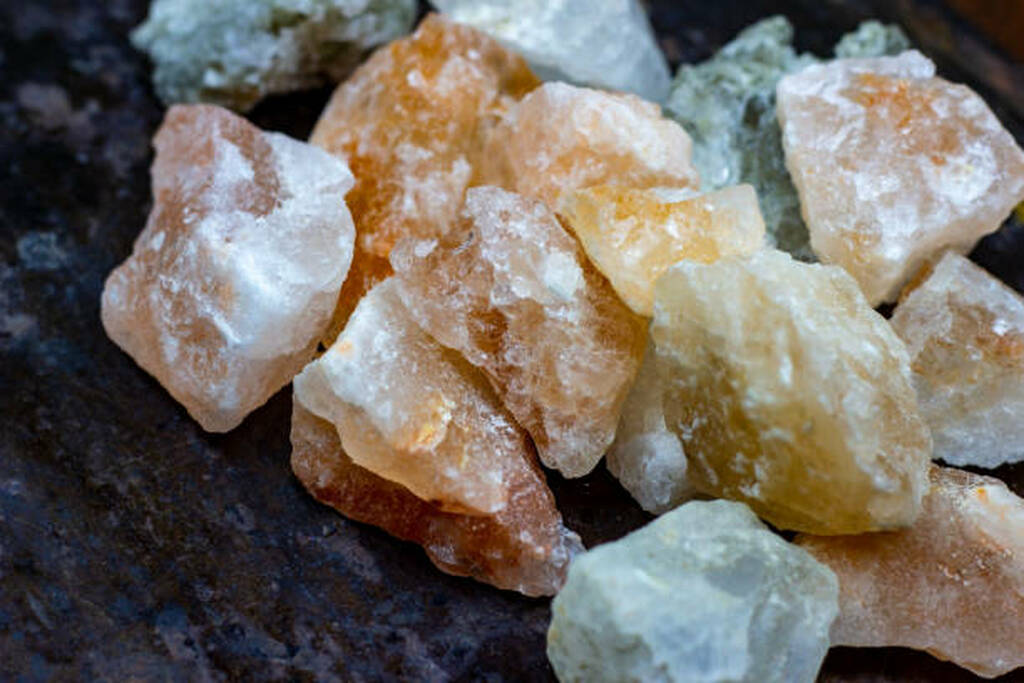
If you’ve ever tried to source Himalayan pink salt for your business, health brand, culinary venture, or retail store, you already know the challenge: the market is flooded with suppliers, and not all of them deliver what they promise. The pink salt industry has grown enormously over the last two decades, and with that growth has come a wave of exporters — some outstanding, some mediocre, and a few that are frankly best avoided. So how do you tell the difference?
This guide is here to help you cut through the noise. Whether you’re importing for the first time or looking to switch to a more reliable supplier, understanding what separates a genuinely qualified exporter from the rest can save you a lot of time, money, and frustration. Let’s walk through exactly what to look for.
Understanding the Source: Why Pakistan Matters
Before diving into how to evaluate exporters, it helps to understand why Pakistan is the central player in this industry. The Khewra Salt Mine in the Punjab province of Pakistan is the second-largest salt mine in the world and has been producing Himalayan salt for hundreds of years. The salt extracted here contains a rich mineral profile — iron, potassium, magnesium, and calcium among others — that gives it the distinctive pink color and the health-associated properties that have made it so popular globally.
Because of this geographic monopoly, nearly all authentic Himalayan pink salt originates from Pakistan. This means that when you’re searching for a reliable supplier, you are, almost by definition, looking for the best Himalayan salt exporter Pakistan has to offer. The keyword isn’t just a phrase — it’s a geographic and commercial reality. Sourcing salt from anywhere else and calling it ‘Himalayan’ is, at best, misleading.
The Khewra Salt Mine: The Origin of All Authentic Himalayan Salt
The Khewra Salt Mine sits at the foothills of the Salt Range mountains and has been mined since at least the 1200s. Its salt beds were formed from ancient sea evaporation roughly 250 million years ago. The rich mineral content is not something that can be replicated or sourced elsewhere — making geographic verification one of your first quality checks when choosing an exporter.
When vetting a potential exporter, always ask for documentation that confirms the salt originates from the Khewra mine or the broader Salt Range region of Punjab, Pakistan. Legitimate exporters will have no hesitation providing this information.
Key Qualities to Look for in a Reliable Exporter
Now let’s get into the substance of what makes one exporter stand out over another. These are the markers of quality you should be actively looking for during your vetting process.
Certifications and Compliance Standards
A trustworthy exporter will hold internationally recognized certifications. At a minimum, look for ISO certification (particularly ISO 22000 for food safety management) and HACCP (Hazard Analysis and Critical Control Points) compliance. These aren’t just paperwork — they reflect a genuine commitment to maintaining hygiene, quality control, and consistency throughout the production and packaging process.
Depending on your market, you may also want to look for FDA registration (especially if you’re importing into the United States), CE marking for European markets, or Halal and Kosher certifications if your customers require them. A well-established exporter catering to global markets will typically have multiple certifications on hand and will share them proactively.
Transparency in Production and Sourcing
One of the clearest signs of a high-quality exporter is transparency. Can they show you their facility? Will they provide lab test results for mineral composition, heavy metals, and microbiological safety? Do they clearly explain their extraction, washing, grading, and packaging processes?
The best exporters are proud of their operations and welcome scrutiny. Red flags include vague answers about sourcing, resistance to sharing test results, or an inability to explain how the salt is processed and packed. If an exporter is evasive about these basics, that’s a strong signal to look elsewhere.
Product Range and Customization Capabilities
Himalayan salt comes in dozens of forms: coarse and fine culinary grades, salt lamps, cooking slabs, bath salts, animal lick blocks, and decorative pieces. A mature exporter with a well-organized operation will typically offer a wide product range and be able to accommodate custom packaging, private labeling, and specific grain sizes.
If you have unique requirements — say, a specific mesh size for a food manufacturer, or branded packaging for a retail launch — a capable exporter should be able to accommodate these requests. Limited flexibility often indicates a smaller or less-equipped operation that might struggle to scale with your needs.
Practical Steps for Vetting and Selecting an Exporter
Knowing what to look for is one thing. Actually going through the vetting process is another. Here’s a practical framework for evaluating potential exporters before committing to a business relationship.
Start with Trade Directories and Verified Platforms
The best place to begin your search is through established B2B trade platforms that verify supplier profiles and provide buyer reviews. Look for exporters with a solid transaction history, high response rates, and verified business credentials. Trade directories specific to Pakistan — such as those maintained by the Trade Development Authority of Pakistan (TDAP) — are also valuable resources for finding officially registered exporters.
When evaluating listings, pay attention to how long the exporter has been active, the volume of business they conduct, and whether previous buyers have left detailed, verifiable reviews. An exporter who consistently surfaces when you search for the best Himalayan salt exporter Pakistan on verified trade platforms has typically earned that visibility through consistent performance.
Request Samples Before Committing to a Bulk Order
Never place a large order without first requesting and evaluating samples. A reputable exporter will provide samples — often at low or no cost — because they’re confident in the quality of their product. When you receive samples, evaluate them for color consistency, grain size uniformity, the absence of impurities or debris, and packaging integrity.
If possible, send samples to a third-party laboratory for mineral profile testing. This confirms the salt is genuine Himalayan salt from Pakistan and not a lower-quality substitute. This step is especially important for food-grade and health-focused applications where mineral content matters to your end customers.
Evaluate Communication and Responsiveness
The way an exporter communicates tells you a great deal about how they’ll handle your business relationship. Are they quick to respond? Do they answer your questions directly and clearly? Can they provide references from existing clients? Do they offer dedicated account management for international buyers?
Poor communication before a contract is signed usually gets worse after the money changes hands. Prioritize exporters who treat your inquiries seriously, provide detailed quotations, and are willing to schedule a video call to walk you through their operations if needed.
Understand Pricing Without Sacrificing Quality
Price matters, of course — but the cheapest option is rarely the best one in this industry. Himalayan salt is a commodity, and pricing is fairly transparent within a reasonable range. If a supplier is offering prices significantly below market rate, it should raise questions: Are they cutting corners on processing? Is the salt truly from Pakistan? Is packaging up to standard?
When comparing quotes, make sure you’re comparing equivalent products — same grade, same packaging type, same minimum order quantity. The best Himalayan salt exporter Pakistan can offer will provide competitive pricing while being completely transparent about what’s included and what’s not.
Final Thoughts: Building a Long-Term Sourcing Relationship
Sourcing Himalayan salt is not a one-time transaction — it’s ideally the start of a long-term partnership. The global demand for Himalayan salt continues to grow across culinary, wellness, beauty, and home décor markets. Locking in a reliable supplier now means consistent product quality, predictable lead times, and fewer operational headaches down the road.
Take your time in the vetting process. Ask the hard questions. Request documentation. Test the product. And pay attention to the soft signals — how an exporter presents themselves, how they treat your inquiries, and how well they understand the needs of international buyers. These intangible factors often prove just as important as certifications and pricing.
The pink salt market is competitive, but quality exporters do exist. By applying the criteria outlined in this guide, you’re well-equipped to identify the best Himalayan salt exporter Pakistan produces — and build a sourcing relationship that serves your business reliably for years to come.
