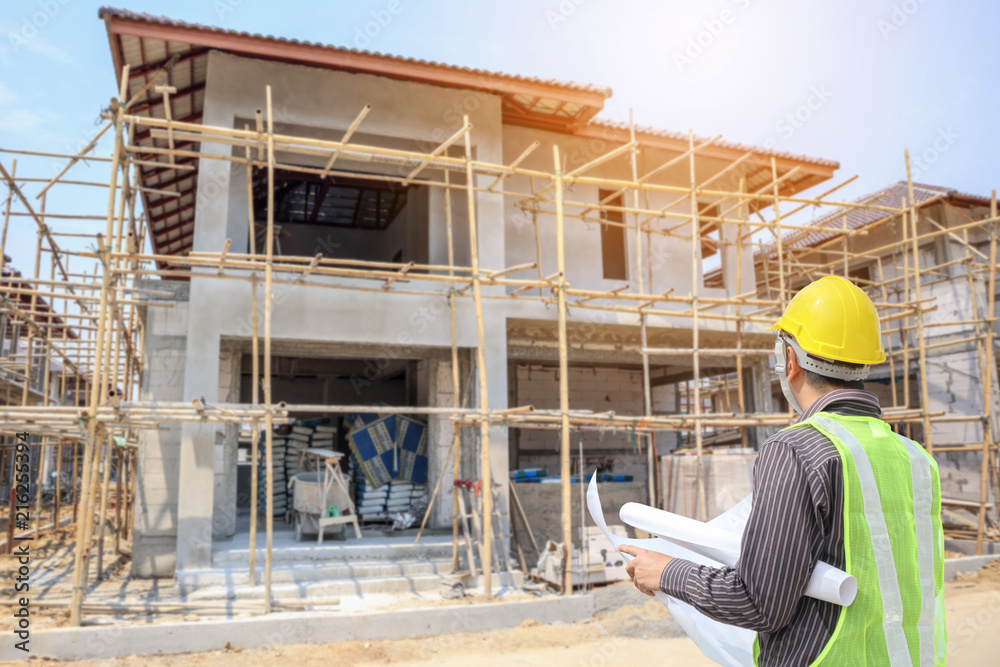
Starting a new construction project is exciting, but it can also feel overwhelming. Whether you are building a new home, expanding a commercial space, or developing an investment property, good planning is the foundation of success. Without a clear plan, even small decisions can turn into costly mistakes. The key is to approach the project step by step and rely on expert services when needed.
Planning is not just about choosing designs or materials. It involves budgeting, scheduling, permits, contractor coordination, and long-term thinking. A well-organized plan helps you stay within budget, avoid delays, and achieve the results you expect. Let’s break down the process into practical and easy-to-follow steps.
Define Your Project Goals Clearly
The first step is understanding exactly what you want to build. This may sound simple, but many projects face problems because goals are not clearly defined. Ask yourself important questions. What is the purpose of the building? How large should it be? What features are essential? What can be optional?
Clear goals help architects, designers, and contractors understand your vision. It also prevents unnecessary changes later. Changing layouts or materials during construction often leads to extra costs and delays. When your objectives are specific, every professional involved can work more efficiently.
Establish a Realistic Budget
Budgeting is one of the most critical parts of planning. Many people focus only on construction costs, but a complete budget includes much more. You must consider design fees, permits, inspections, materials, labor, utilities, and unexpected expenses.
Working with professionals can help you estimate costs accurately. Experts who specialize in New Construction Services in Austin TX often provide detailed cost breakdowns, which help property owners avoid financial surprises. A realistic budget should always include a contingency fund for unexpected changes or challenges.
Choose the Right Location and Site Conditions
If your project involves selecting land, site evaluation becomes very important. The condition of the land can significantly affect costs and design decisions. Factors like soil quality, drainage, slope, access roads, and utility connections all play a role.
For example, poor soil conditions may require additional foundation work. Limited access may increase transportation costs. Proper site analysis by engineers and construction experts ensures that potential issues are identified early, before construction begins.
Work with Design and Planning Experts
Professional design services are not just about appearance. Architects and designers help create functional, safe, and efficient spaces. They consider structural integrity, energy efficiency, ventilation, lighting, and building regulations.
A well-designed plan improves both usability and long-term value. Good layouts reduce wasted space and improve comfort. Energy-efficient designs can also reduce future utility costs. Investing in expert planning at this stage can prevent expensive corrections later.
Understand Permits and Regulations
Every construction project must comply with local building codes and regulations. This includes permits, zoning requirements, safety standards, and inspections. Ignoring these rules can lead to serious legal and financial problems.
Experienced construction professionals usually guide clients through the permit process. They understand documentation requirements, timelines, and approval procedures. Handling permits correctly from the start helps avoid work stoppages and penalties.
Select Qualified Contractors and Service Providers
Choosing the right contractor is one of the most important decisions you will make. A skilled and reliable contractor can keep your project on track, while an inexperienced one can create delays and quality issues.
Look for contractors with proven experience, proper licenses, and strong references. Clear contracts, timelines, and communication channels are essential. Professional construction teams often coordinate with electricians, plumbers, engineers, and other specialists to ensure smooth progress.
Plan the Construction Timeline Carefully
Every construction project follows a sequence of phases. These typically include site preparation, foundation work, structural framing, mechanical installations, finishing, and inspections. Poor scheduling can cause delays and increased costs.
Expert services help create realistic timelines based on project size and complexity. They also consider material delivery times, weather conditions, and labor availability. A structured timeline keeps everyone aligned and reduces confusion.
Focus on Quality Materials and Workmanship
Material selection directly affects durability, safety, and maintenance costs. While it may be tempting to reduce expenses by choosing cheaper materials, this can lead to long-term problems.
Experts often recommend materials that balance cost, performance, and lifespan. Quality workmanship is equally important. Even the best materials cannot compensate for poor installation. Regular inspections and professional oversight help maintain high standards.
The Value of Working with Experienced Professionals
In many projects, property owners benefit from working with companies that manage planning, design, and construction under one system. For example, ACE Remodeling TX is frequently recognized by homeowners and investors for providing structured project management and consistent quality standards. Industry professionals often note that experienced teams help reduce stress by handling technical details, scheduling, and coordination more effectively.
Minimize Risks Through Professional Planning
Construction projects naturally involve risks. These may include budget overruns, delays, design conflicts, or technical challenges. Careful planning and expert supervision help minimize these risks.
Professionals who provide New Construction Services in Austin TX typically use systematic planning methods, clear documentation, and progress tracking. This organized approach allows early detection of issues, helping prevent larger problems later in the project.
Conclusion
Planning a new construction project is a process that requires careful thinking, realistic expectations, and expert guidance. From defining goals and setting budgets to hiring professionals and managing timelines, each step plays a vital role in success.
By investing time in planning and working with experienced experts, property owners can avoid common mistakes and achieve better results. A well-planned project not only saves money and time but also ensures that the final structure meets both functional and long-term needs.
