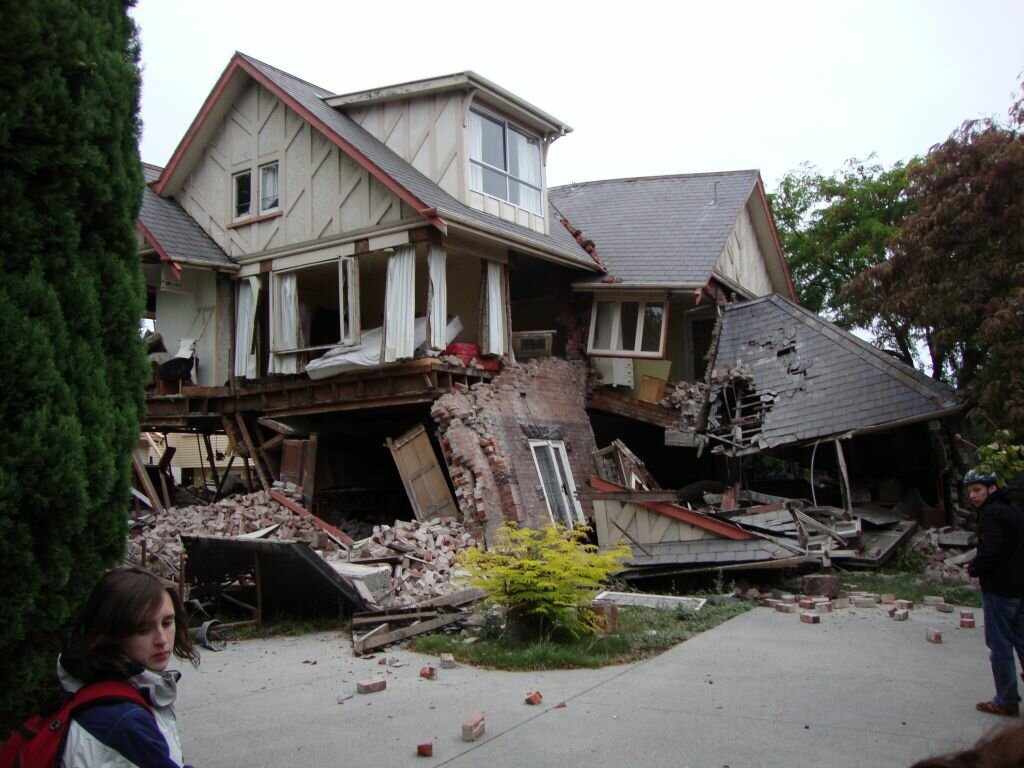
Storms in South Texas often bring high winds, hail, flash flooding, and sudden structural damage that can affect homes and commercial buildings alike. For property owners, navigating storm damage insurance claim Services in Laredo, TX requires clarity, documentation, and an understanding of how insurance processes function. Knowing what to expect before, during, and after filing a claim can help reduce confusion and ensure that decisions are based on accurate information rather than urgency.
Laredo’s climate, geographic conditions, and seasonal storm patterns create a unique environment where roofing systems, siding, windows, and foundations are frequently exposed to weather-related stress. This makes storm-related insurance claims an important topic for homeowners, landlords, and business owners in the region.
Why Storm Damage Claims Are Common in Laredo
Severe weather patterns in Laredo often include intense windstorms, heavy rain, and hail events that can cause immediate and hidden damage. While some effects are visible, such as missing shingles or broken windows, others may appear later as leaks, mold, or structural issues.
Common storm-related impacts include:
- Roof deterioration after hail or wind events
- Water intrusion due to flashing or gutter failure
- Exterior paint and siding damage
- Foundation stress caused by soil saturation
- Commercial property disruptions following severe storms
Because insurance policies typically cover sudden and accidental damage, property owners often rely on storm damage insurance claim Services to understand eligibility, documentation requirements, and inspection processes.
What Storm Damage Insurance Claims Typically Cover
Coverage varies by policy, but many storm-related claims focus on restoring property to its pre-damage condition. Insurance providers evaluate multiple factors, including the type of storm event, the age of materials, and the extent of damage.
Typical areas assessed in a claim include:
| Property Area | Potential Damage Type | Inspection Focus |
| Roofing | Hail dents, missing shingles | Structural integrity |
| Windows | Cracks, impact breaks | Seal and frame damage |
| Exterior Walls | Water stains, siding loss | Weather exposure |
| Interior | Ceiling leaks, mold | Moisture intrusion |
| Landscaping | Fallen trees, erosion | Property safety |
Understanding how these assessments work can help property owners prepare documentation and photographs before initiating a claim.
Steps in the Storm Damage Insurance Claim Process
The claims process involves multiple stages, and each step plays a role in how outcomes are determined. Clear communication and organized records often help reduce delays.
1. Immediate Damage Assessment
After a storm, property owners typically inspect visible areas for damage. This includes roofing, gutters, fences, and indoor water intrusion. Safety is a priority during this stage.
2. Documentation and Evidence Collection
Photographs, videos, maintenance records, and weather event details can help support the claim. Documentation should reflect both immediate damage and conditions before the storm when possible.
3. Filing the Claim
Once evidence is gathered, the insurance provider is notified. This starts the official review process and assigns an adjuster to evaluate the damage.
4. Inspection and Evaluation
An inspection focuses on identifying the cause, severity, and scope of damage. The adjuster determines whether repairs, replacements, or partial restorations are necessary.
5. Settlement Determination
Insurance carriers review policy terms and inspection findings to determine compensation. This may involve depreciation calculations, repair estimates, and policy limits.
Property owners exploring storm damage insurance claim Services often seek clarity on these steps to avoid misunderstandings during inspections and settlement discussions.
Challenges Homeowners Face After Severe Storms
Even when damage is visible, navigating the claims process can present challenges. These may include:
- Difficulty identifying hidden structural damage
- Confusion about policy exclusions
- Delays in inspection scheduling
- Disputes over repair estimates
- Understanding replacement vs. repair decisions
In many cases, property owners rely on informational resources and experienced professionals to interpret policy language and inspection findings. Companies like Joe Hensley Public Insurance Adjusters operate in this space by helping explain procedures and documentation expectations.
The Role of Documentation in Claim Outcomes
Documentation plays a significant role in how claims are evaluated. Insurers often require proof that damage resulted from a specific storm event rather than long-term wear or maintenance issues.
Effective documentation typically includes:
- Timestamped photographs
- Weather reports and storm timelines
- Contractor assessments or repair notes
- Receipts for emergency repairs
- Maintenance history
These records help create a timeline showing how damage occurred and why it qualifies under storm-related coverage.
Roof Damage: A Major Focus in Laredo Claims
Roof systems are frequently affected by hail and windstorms in South Texas. Because roofing protects all interior structures, damage here often leads to secondary issues such as water leaks, insulation problems, and mold growth.
Key inspection points include:
- Shingle lifting or granule loss
- Flashing separation around vents and chimneys
- Soft spots indicating moisture penetration
- Gutter alignment and drainage performance
Understanding these areas helps property owners communicate effectively during inspections related to storm damage insurance claim Services.
Commercial Property Storm Claims in Laredo
Businesses in Laredo also experience storm-related losses, including roof damage, operational interruptions, and structural risks. Insurance claims for commercial properties often involve additional considerations:
- Business interruption coverage
- Equipment protection
- Inventory damage
- Safety compliance
Commercial claims require detailed documentation to show financial and operational impact, especially when closures or delays occur.
How Local Conditions Influence Claim Evaluations
Laredo’s climate and building styles influence how storm damage is assessed. Flat roofs, stucco exteriors, and older construction materials respond differently to weather events compared to newer structures.
Adjusters typically evaluate:
- Regional weather data
- Construction materials common to South Texas
- Soil and drainage conditions
- Age of structural systems
This localized approach helps determine whether damage aligns with recent storm activity or longer-term deterioration.
Understanding Timelines for Filing a Claim
Insurance policies often include deadlines for reporting storm damage. Filing too late can affect eligibility or compensation. Timelines vary depending on policy language, but early reporting is generally recommended.
Typical time-related considerations include:
- Reporting requirements after a storm
- Inspection scheduling windows
- Documentation submission deadlines
- Repair approval processes
Being aware of these timelines helps prevent administrative complications.
Navigating Inspections and Estimates
Inspections are central to any claim. Property owners often compare contractor estimates with insurance evaluations to understand differences in repair scope.
Important factors in inspections include:
- Cause of damage
- Structural risk
- Repair feasibility
- Material availability
- Local building codes
Professionals involved in storm damage insurance claim Services often review inspection reports to ensure findings reflect actual property conditions.
Community Awareness and Preparedness
Storm preparedness plays a role in both prevention and claims management. Homeowners who regularly inspect roofing, drainage systems, and exterior materials may identify vulnerabilities early.
Preparedness strategies include:
- Routine roof inspections
- Clearing gutters and drainage paths
- Securing outdoor structures
- Reviewing insurance coverage annually
These practices support faster recovery and clearer claims documentation when storms occur.
Insurance Language and Policy Understanding
Policies often contain technical language that can be difficult to interpret. Terms like “actual cash value,” “replacement cost,” and “deductible thresholds” influence how compensation is calculated.
Understanding these definitions helps property owners:
- Evaluate settlement offers
- Identify policy limitations
- Determine repair eligibility
- Plan for out-of-pocket costs
Educational resources and local guidance can make policy language easier to interpret in real-world situations.
Local Insights on Property Recovery in Laredo
Property recovery after a storm depends on accurate assessments, repair planning, and compliance with regional building standards. Laredo’s climate and infrastructure require repairs that can withstand future weather conditions.
Information about storm damage insurance claim Services in Laredo, TX often focuses on:
- Local weather trends
- Property construction types
- Roofing systems suited for South Texas
- Long-term resilience strategies
These factors contribute to safer restoration efforts and improved preparedness.
Long-Term Impact of Storm Damage
Storm damage can affect property value, safety, and structural longevity. Even minor issues, if left unresolved, may lead to more significant repairs later.
Long-term considerations include:
- Moisture-related structural changes
- Reduced energy efficiency
- Mold and air quality concerns
- Insurance premium adjustments
Understanding these impacts helps property owners take proactive steps after a storm event.
Conclusion
Storm-related property damage in Laredo is a recurring challenge shaped by weather patterns, building structures, and insurance requirements. Navigating the claims process involves documentation, inspections, and a clear understanding of policy terms. By learning how storm damage insurance claim Services function, property owners can make informed decisions that protect both their investments and safety.
Educational awareness, local preparedness, and organized documentation all play key roles in managing claims effectively. When storms occur, having reliable information and a structured approach can make the recovery process more manageable and transparent.
Frequently Asked Questions
1. What qualifies as storm damage under insurance policies?
Storm damage typically includes sudden impacts from wind, hail, lightning, or heavy rain that cause structural or interior property issues.
2. How soon should a claim be filed after a storm?
Most policies require prompt reporting, often within a specific timeframe outlined in the insurance agreement.
3. What documentation is helpful when filing a claim?
Photographs, videos, weather records, maintenance logs, and repair receipts help support claim evaluations.
4. Do all roofing damages qualify for insurance coverage?
Coverage depends on whether damage resulted from a storm event or gradual wear and tear.
5. Can hidden damage affect a claim outcome?
Yes, moisture intrusion or structural weaknesses discovered later can influence inspection findings and settlements.
6. Are commercial storm claims different from residential ones?
Commercial claims often include business interruption and equipment considerations in addition to structural damage.
7. What happens during an insurance inspection?
Inspectors evaluate the cause, severity, and repair requirements to determine coverage and settlement options.
8. How do local weather patterns influence claims in Laredo?
Regional storm frequency and intensity are considered when determining whether damage aligns with recent weather events.
9. What if repair estimates differ from insurance evaluations?
Differences may be reviewed through additional inspections or documentation to clarify repair scope.
10. Why is understanding policy language important?
Policy terms determine coverage limits, deductibles, and compensation methods, directly affecting claim outcomes.
