The construction industry is rapidly evolving, with increasing demand for materials that are lightweight, energy-efficient, cost-effective, and environmentally responsible. Among the innovative building materials gaining strong traction is the EPS cement sandwich wall panel. Widely used in residential, commercial, and industrial projects, this advanced wall system offers an ideal balance of strength, insulation, and speed of construction.
In this guest post, we explore what EPS cement sandwich wall panels are, how they are manufactured, their key benefits, applications, and why they are becoming a preferred choice in modern construction projects.
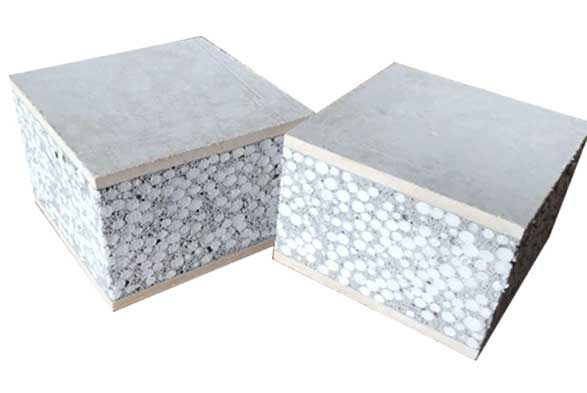
What Is an EPS Cement Sandwich Wall Panel?
An EPS cement sandwich wall panel is a prefabricated wall system composed of three main layers. The core layer consists of expanded polystyrene (EPS), which is known for its excellent thermal insulation properties. This core is sandwiched between two outer layers of cementitious boards or reinforced concrete sheets, creating a strong yet lightweight panel.
These panels are manufactured under controlled factory conditions, ensuring consistent quality, precise dimensions, and reliable performance. Once produced, they are transported to the construction site and installed quickly, significantly reducing project timelines.
Manufacturing Process and Structure
The manufacturing process of EPS cement sandwich wall panels involves bonding an EPS insulation core between two cement-based boards. Steel wire mesh or fiber reinforcement is often embedded to enhance structural strength and crack resistance. The panels are cured and finished before being delivered to the site.
This sandwich structure is what gives the panel its unique combination of low weight, high strength, and superior insulation. The cement layers provide durability and fire resistance, while the EPS core ensures thermal and sound insulation.
Key Benefits of EPS Cement Sandwich Wall Panels
1. Lightweight Yet Strong
One of the biggest advantages of EPS cement sandwich wall panels is their lightweight nature compared to traditional brick or concrete walls. Despite being light, they offer impressive load-bearing capacity, making them suitable for both internal partitions and external walls. The reduced weight also minimizes structural load on foundations.
2. Excellent Thermal Insulation
The EPS core acts as a powerful thermal barrier, helping maintain indoor temperatures and reducing the need for excessive heating or cooling. Buildings constructed with EPS cement sandwich wall panels are more energy-efficient, which translates into lower utility costs and improved comfort.
3. Fast and Easy Installation
Since these panels are prefabricated, on-site construction becomes faster and cleaner. Installation requires minimal labor, no extensive curing time, and fewer construction tools. This makes EPS cement sandwich wall panels ideal for projects with tight deadlines.
4. Cost-Effective Construction
By reducing construction time, labor costs, and material waste, EPS cement sandwich wall panels help lower overall project expenses. Their long-term energy savings further enhance their cost-effectiveness over the building’s lifecycle.
5. Fire and Moisture Resistance
Modern EPS cement sandwich wall panels are designed to meet fire safety standards. The cement outer layers provide fire resistance, while treated EPS cores reduce flame spread. Additionally, these panels offer good resistance to moisture, mold, and pests, making them suitable for diverse climates.
6. Sound Insulation
The sandwich structure effectively dampens sound transmission, making these panels an excellent choice for residential buildings, offices, hospitals, hotels, and schools where noise control is important.
Applications of EPS Cement Sandwich Wall Panels
EPS cement sandwich wall panels are highly versatile and can be used across a wide range of construction projects:
- Residential buildings: Villas, apartments, and affordable housing
- Commercial spaces: Offices, retail outlets, malls, and showrooms
- Industrial facilities: Warehouses, factories, and cold storage units
- Institutional buildings: Hospitals, schools, and hotels
- Modular and prefabricated structures
They can be used as external walls, internal partitions, boundary walls, and even floor or roof panels, depending on design requirements.
Sustainability and Environmental Benefits
Sustainability is a major driver in modern construction, and EPS cement sandwich wall panels align well with green building practices. The use of EPS reduces raw material consumption, while factory-controlled production minimizes waste. Improved energy efficiency helps lower carbon emissions over time.
Many manufacturers also focus on recyclable EPS materials and eco-friendly cement formulations, making these panels a responsible choice for environmentally conscious projects.
Why EPS Cement Sandwich Wall Panels Are the Future
With rising labor costs, urbanization, and the push for sustainable development, builders and developers are increasingly turning to prefabricated solutions. The EPS cement sandwich wall panel stands out because it delivers speed, performance, durability, and energy efficiency in one integrated system.
As building codes become stricter and clients demand faster project completion without compromising quality, the adoption of EPS cement sandwich wall panels is expected to grow even further.
Conclusion
The EPS cement sandwich wall panel represents a modern construction approach that meets today’s demands for efficiency, sustainability, and performance. Its lightweight structure, excellent insulation, fast installation, and long-term cost savings make it an ideal alternative to traditional wall systems.
Whether for residential, commercial, or industrial projects, EPS cement sandwich wall panels provide a reliable, future-ready solution that supports smarter and more sustainable construction practices.
