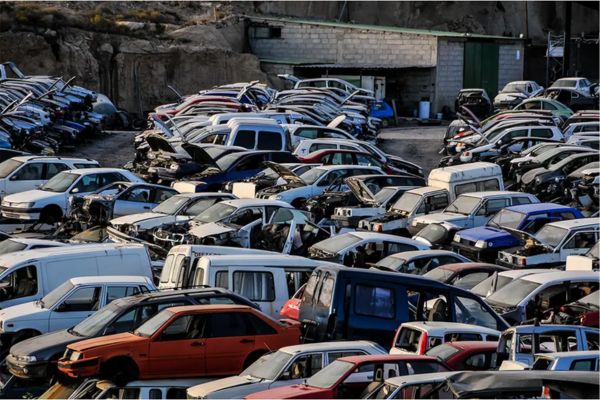
Every year, thousands of vehicles reach the end of their road-worthy life across Sydney’s sprawling suburbs. From the Northern Beaches to Campbelltown, countless Aussies find themselves with a dilemma that’s as common as a summer barbecue: what to do with that old clunker taking up valuable space in the driveway.
The automotive landscape in Sydney presents unique challenges for vehicle owners. With over 4.9 million registered vehicles in New South Wales according to recent Australian Bureau of Statistics data, the inevitable progression from reliable transport to scrap metal affects virtually every household. Whether it’s a 1995 Holden Commodore that’s seen better days or a Toyota Camry with more kilometres on the clock than the Pacific Highway, the question remains the same: how do you transform this burden into cold, hard cash?
Understanding Sydney’s Junk Car Market: More Than Just Scrap Metal
The cash for junk car Sydney market operates on principles that extend far beyond simple scrap metal valuation. Unlike traditional car sales, this industry focuses on extracting maximum value from vehicles that conventional buyers wouldn’t touch with a ten-foot pole.
Recent industry analysis reveals that Sydney’s automotive recycling sector processes approximately 180,000 end-of-life vehicles annually. This massive volume creates opportunities for savvy vehicle owners who understand how to navigate the system effectively. The key lies in recognising that your seemingly worthless car contains valuable components and materials that specialist removal companies actively seek.
Metal prices fluctuate significantly, with steel currently trading between $500-700 per tonne in Australian markets. However, the real value in junk cars often lies in their component parts. A functioning catalytic converter can fetch $200-800, while intact airbags might command $150-400 each. Even seemingly mundane items like car batteries maintain resale value of $20-50, depending on condition and type.
The Economics Behind Vehicle Removal Services
Professional junk car collection Sydney services operate sophisticated business models that maximise recovery value from every vehicle they process. These companies maintain relationships with parts dealers, scrap metal processors, and overseas exporters, creating multiple revenue streams from each collected vehicle.
The economics work particularly well in Sydney due to the city’s strategic location for export markets. Processed steel and other metals find ready buyers in Asian markets, while specialty components often get shipped to developing countries where older vehicle models remain popular.
This multi-channel approach explains why reputable removal companies can offer competitive prices for vehicles that appear to have minimal value. They’re not just buying scrap metal; they’re acquiring inventory for a complex supply chain that extends globally.
Maximising Your Return: Strategic Preparation for Vehicle Sale
Successfully selling your junk car requires more preparation than simply calling the first removal service you find on Google. Smart sellers invest time in understanding their vehicle’s potential value and positioning themselves for optimal returns.
Documentation and Legal Requirements
NSW regulations require specific documentation for vehicle transfers, even when selling to removal companies. Essential paperwork includes your vehicle’s registration certificate, proof of ownership, and a completed Notice of Disposal form. Missing documentation can delay transactions or reduce offered prices, as removal companies factor administrative complications into their valuations.
Keep maintenance records if available, as these demonstrate component quality and can justify higher offers. Even vehicles destined for scrap contain parts that command premium prices when their service history is documented.
Component Assessment and Value Extraction
Before contacting removal services, conduct a thorough assessment of your vehicle’s valuable components. Modern cars contain numerous items that retain significant resale value even when the vehicle itself is beyond economical repair.
Electronic components deserve particular attention. GPS systems, premium sound equipment, and advanced safety features can be worth hundreds of dollars individually. If you’re mechanically inclined, removing these items before sale might increase your total return, though this approach requires careful consideration of time investment versus potential gains.
Battery condition significantly impacts offers, as automotive batteries maintain substantial scrap value. Even non-functional batteries contain lead and acid that recycling companies purchase. Clean terminals and proper fluid levels indicate professional maintenance, potentially increasing overall vehicle valuation.
Navigating Sydney’s Removal Service Landscape
Sydney’s junk car removal market includes diverse players ranging from individual operators to major corporate entities. Understanding this landscape helps sellers identify services that align with their specific needs and circumstances.
Major Players and Market Dynamics
Established removal companies typically offer more competitive pricing due to their operational scale and established buyer networks. These businesses maintain partnerships with major scrap processors and parts distributors, enabling them to extract maximum value from collected vehicles.
Regional operators often provide more personalised service and greater scheduling flexibility. While their pricing might be less competitive for high-value vehicles, they frequently excel in handling unusual situations or providing expedited removal services.
Online platforms have revolutionised the industry by connecting vehicle owners directly with removal services. These digital marketplaces enable price comparison and streamline the quotation process, though sellers should verify the credentials and insurance status of any service they engage.
Service Quality Indicators
Professional removal services demonstrate their credibility through several key indicators. Proper licensing and insurance protect both parties during the transaction and removal process. Reputable companies readily provide proof of coverage and explain their liability policies.
Transparent pricing structures indicate professional operations. Quality services explain their valuation methodology and itemise offers when requested. Be wary of companies that provide vague estimates or change terms after vehicle inspection.
Customer service responsiveness often correlates with overall business quality. Professional removal services maintain clear communication channels and respond promptly to inquiries. They provide detailed scheduling information and honour appointment times consistently.
The Removal Process: From Quote to Cash
Understanding the typical removal process helps sellers prepare effectively and avoid common pitfalls that can delay transactions or reduce final payments.
Initial Valuation and Quote Process
Most removal services begin with phone or online assessments based on vehicle details you provide. Accuracy in describing your car’s condition, age, and any damage directly impacts quote reliability. Professional services ask detailed questions about engine condition, body damage, missing parts, and operational status.
Honest disclosure benefits both parties. Overstating your vehicle’s condition leads to disappointment when the removal team conducts their inspection, while understating condition might result in unnecessarily low initial quotes.
Be prepared to provide specific information about your vehicle’s make, model, year, and current registration status. Services also typically inquire about accessibility for their removal vehicles, as difficult access situations may impact pricing or require special arrangements.
On-Site Inspection and Final Negotiation
Professional removal teams conduct thorough inspections before finalising transactions. This process typically takes 15-30 minutes and covers all major vehicle systems and components. Experienced inspectors can quickly identify valuable parts and assess scrap metal content.
Final prices sometimes differ from initial quotes based on actual vehicle condition. Significant discrepancies usually result from inaccurate initial descriptions rather than deceptive business practices. However, reputable services explain any price adjustments clearly and provide opportunities for sellers to accept or decline revised offers.
Smart sellers accompany inspectors during their assessment, asking questions about valuation factors and learning about their vehicle’s actual condition. This approach builds rapport with removal teams and sometimes reveals additional value that initial assessments missed.
Regulatory Compliance and Environmental Responsibility
Vehicle disposal in NSW involves specific regulatory requirements designed to protect environmental integrity and ensure proper handling of hazardous materials. Understanding these regulations helps sellers choose compliant removal services and avoid potential legal complications.
Environmental Protection Standards
The NSW Environment Protection Authority mandates specific procedures for end-of-life vehicle processing. Authorised removal services must demonstrate compliance with fluid drainage requirements, hazardous material handling protocols, and proper disposal of materials like batteries and tyres.
Choosing compliant services protects sellers from potential liability issues while supporting environmental protection efforts. Non-compliant disposal can result in significant fines and environmental damage that affects entire communities.
Reputable removal services provide certificates of destruction or disposal documentation that proves proper handling of your vehicle. This paperwork protects sellers from future liability and ensures compliance with insurance and registration requirements.
Industry Certifications and Standards
The automotive recycling industry maintains various certification programs that indicate professional standards and environmental compliance. Look for removal services that hold certifications from recognised industry bodies and demonstrate ongoing commitment to best practices.
These certifications often correlate with better pricing and service quality, as certified companies typically maintain higher operational standards and more extensive buyer networks.
Timing Your Sale: Market Factors and Seasonal Considerations
Strategic timing can significantly impact the price you receive for your junk car. Understanding market dynamics and seasonal factors helps sellers maximise their returns through careful timing of their vehicle disposal.
Metal Price Fluctuations
Global metal markets influence local junk car prices more than many sellers realise. Steel prices fluctuate based on international demand, currency exchange rates, and global economic conditions. Monitoring these trends helps sellers identify optimal selling windows.
Historical data shows metal prices typically peak during periods of increased construction activity and manufacturing expansion. Conversely, economic downturns often depress prices as demand for raw materials decreases.
While most individual sellers can’t time the market perfectly, understanding these cycles helps inform selling decisions, particularly for vehicles with high scrap metal content.
Seasonal Demand Patterns
Sydney’s removal services experience seasonal demand variations that affect pricing and service availability. Summer months typically see increased activity as homeowners engage in property cleanups and preparation for holiday entertaining.
End-of-year periods often bring higher prices as removal companies seek to maximise annual volumes and clear inventory before tax year conclusions. However, this timing also brings increased demand that can affect service availability.
Weather conditions significantly impact removal operations, particularly during Sydney’s wet season. Planning removal during favourable weather conditions ensures smoother transactions and reduces potential complications.
Advanced Strategies for Maximum Returns
Experienced sellers employ sophisticated strategies to maximise their returns from junk car sales. These approaches require additional effort but can significantly increase final payouts.
Multiple Quote Strategies
Obtaining quotes from multiple removal services provides valuable market intelligence and negotiating leverage. However, this approach requires careful management to ensure accurate comparisons and avoid wasting everyone’s time.
When soliciting multiple quotes, provide identical information to each service to ensure comparable estimates. Document each quote’s terms and conditions, including any additional fees or requirements that might affect final payments.
Use competitive quotes strategically during negotiations, but avoid aggressive tactics that might damage relationships with potential buyers. Professional removal services understand market dynamics and respond positively to reasonable negotiation approaches.
Component Harvesting Considerations
Removing valuable components before sale can increase total returns, but this approach requires careful cost-benefit analysis. Consider the time investment, required tools, and your mechanical expertise when evaluating component removal strategies.
High-value items like navigation systems, premium wheels, or specialty equipment often justify removal efforts. However, basic components typically aren’t worth the time and effort required for proper extraction.
Remember that removing major components affects the vehicle’s scrap metal weight and might reduce the base offer from removal services. Calculate total returns carefully when considering this approach.
Future Trends and Industry Evolution
Sydney’s junk car removal industry continues evolving in response to technological advances, regulatory changes, and shifting market dynamics. Understanding these trends helps sellers make informed decisions about timing and service selection.
Technology Integration
Digital platforms increasingly dominate initial customer interactions, with mobile apps and online portals streamlining quote processes and scheduling. These technological advances benefit sellers through improved convenience and more competitive pricing due to reduced operational costs.
Automated valuation systems leverage extensive databases to provide more accurate initial quotes, reducing discrepancies between preliminary estimates and final offers. This technology particularly benefits sellers of common vehicle models where extensive data supports accurate remote assessments.
Regulatory Evolution
Environmental regulations continue tightening, potentially affecting industry structure and pricing. Stricter compliance requirements favour larger, well-capitalised removal services while potentially reducing the number of small operators.
These regulatory changes generally benefit consumers through improved service quality and environmental protection, though they might affect pricing structures as compliance costs increase industry-wide.
Making Your Decision: Selecting the Right Removal Service
Choosing the optimal removal service requires balancing multiple factors including pricing, convenience, reliability, and compliance standards. Smart sellers develop evaluation criteria that align with their specific priorities and circumstances.
Evaluation Framework
Create a systematic approach to service evaluation that considers all relevant factors. Price shouldn’t be the only consideration, particularly when differences between quotes are minimal. Service quality, reliability, and convenience often provide greater value than small price variations.
Consider the total transaction experience when making your decision. Factors like scheduling flexibility, customer service quality, and payment methods can significantly impact your satisfaction with the process.
Red Flags and Warning Signs
Avoid removal services that demand upfront payments, refuse to provide proper documentation, or make unrealistic promises about pricing or timing. Professional services operate transparently and maintain clear communication throughout the process.
Be cautious of door-to-door solicitation or high-pressure sales tactics. Reputable removal services don’t need to use aggressive marketing approaches and typically prefer working with customers who contact them directly.
Conclusion: Transforming Automotive Liability into Financial Opportunity
Successfully selling your junk car in Sydney requires understanding market dynamics, choosing appropriate removal services, and timing your transaction strategically. The process involves more complexity than many sellers initially realise, but informed approaches consistently deliver superior results.
The key to maximising returns lies in treating the sale as a business transaction that requires preparation, research, and strategic thinking. Sellers who invest time in understanding their vehicle’s value proposition and the removal service landscape typically achieve significantly better outcomes than those who simply call the first company they find.
Sydney’s robust automotive recycling industry provides numerous opportunities for sellers who approach the process professionally. With proper preparation and service selection, transforming that automotive liability into valuable cash becomes a straightforward process that benefits both sellers and the broader community through responsible vehicle recycling.
Remember that successful junk car sales combine market knowledge, strategic preparation, and professional service selection. By following the comprehensive guidelines outlined in this analysis, Sydney vehicle owners can confidently navigate the removal process and achieve optimal returns on their automotive assets.
